1
/
of
2
AataG
जौ | Jou | Barley (1 Kg)
जौ | Jou | Barley (1 Kg)
Regular price
Rs. 129.00
Regular price
Rs. 299.00
Sale price
Rs. 129.00
Unit price
/
per
Shipping calculated at checkout.
Couldn't load pickup availability
Barley (Hordeum vulgare) is one of the oldest cultivated grains, widely used as a staple food, animal feed, and in the production of beverages like beer and whiskey. It is a hardy cereal crop, well-suited to a variety of climates, and is known for its nutritional value and versatility in cooking. Here's a detailed description of barley:
1. Appearance
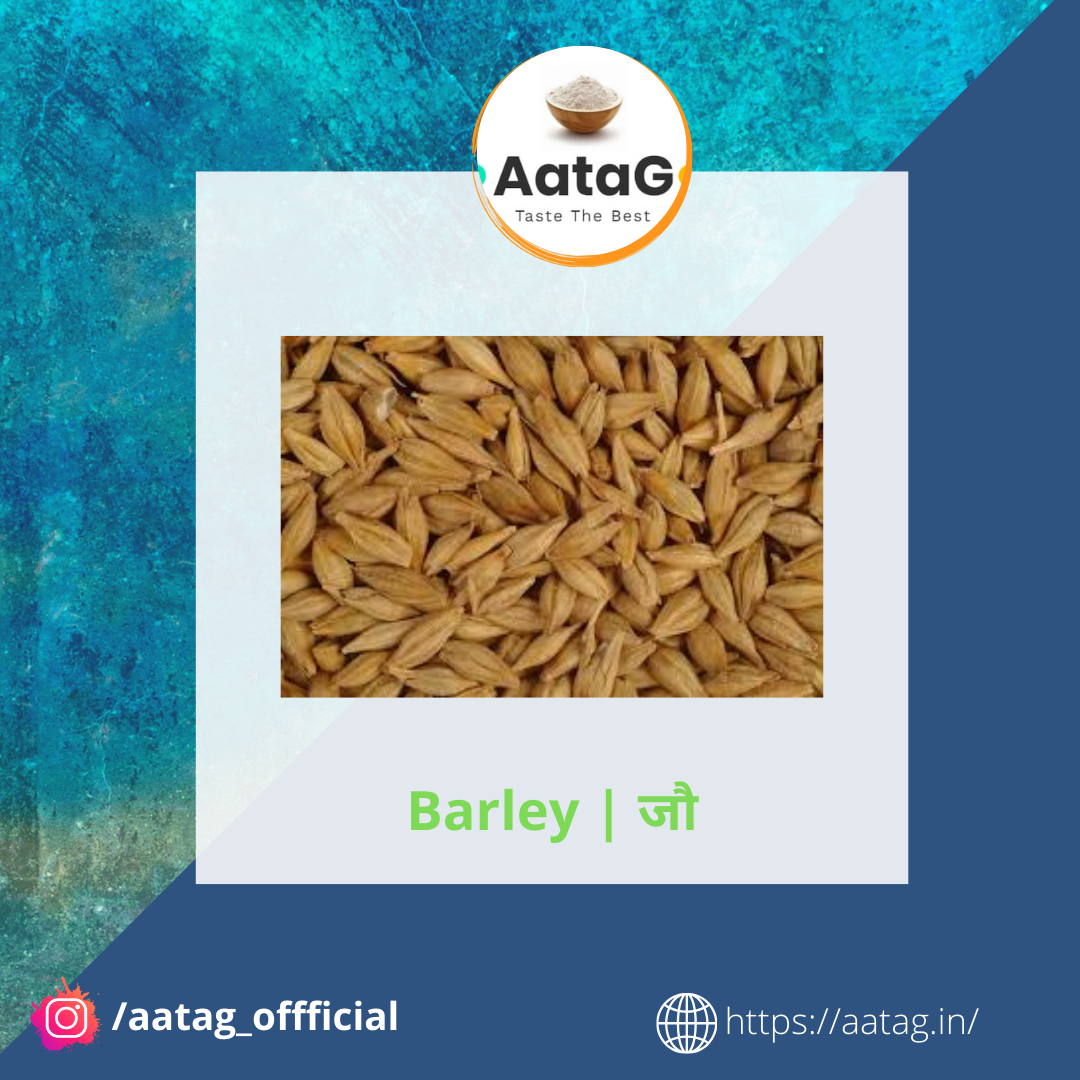
- Grain: Barley grains are small, oval, and have a hard outer husk, making them distinct from some other grains. The color of barley grains can range from pale yellow to golden, and sometimes reddish or brown, depending on the variety.
- Plant: The barley plant grows in tall, slender stems that can reach heights of about 1 to 1.2 meters. It has narrow leaves and produces spike-like flower heads that contain the seeds.
-
Types of Barley: There are two main types of barley:
- Hulled Barley: The grains have a tough outer husk that needs to be removed before consumption.
- Pearl Barley: A refined version of hulled barley where the outer husk and bran are removed, making the grain smoother and quicker to cook.
2. Nutritional Value
- Carbohydrates: Barley is primarily composed of carbohydrates, making it an excellent source of energy. It is a whole grain, rich in complex carbs, which provide sustained energy.
- Fiber: Barley is rich in soluble fiber, particularly beta-glucan, which helps in lowering cholesterol levels, improving digestion, and stabilizing blood sugar levels.
- Protein: Barley contains a moderate amount of protein, contributing to muscle repair and growth.
- Vitamins and Minerals: Barley is a good source of essential vitamins, including several B-vitamins (especially niacin, folate, and B6), and minerals like iron, magnesium, phosphorus, potassium, and zinc.
- Low Glycemic Index: Barley has a low glycemic index, meaning it has a slower effect on blood sugar, making it a good choice for people with diabetes or those looking to manage blood sugar.
3. Health Benefits
- Heart Health: The high fiber content, particularly beta-glucan, helps lower cholesterol levels and reduces the risk of cardiovascular diseases. Barley can also help regulate blood pressure.
- Digestive Health: The fiber in barley promotes regular bowel movements, reduces constipation, and supports a healthy gut microbiome.
- Blood Sugar Regulation: The soluble fiber in barley slows down the absorption of sugar into the bloodstream, making it a beneficial food for managing type 2 diabetes.
- Weight Management: Barley is low in fat and high in fiber, which promotes feelings of fullness and can aid in controlling appetite, making it helpful for weight loss.
- Antioxidant Properties: Barley contains antioxidants, including phenolic acids and flavonoids, which help reduce inflammation and oxidative stress in the body.
4. Culinary Uses
- Barley Flour: Barley flour is used in baking, particularly for making flatbreads, muffins, and other baked goods. It is sometimes combined with wheat flour in recipes to enhance nutritional content.
- Barley Groats: The whole barley grain, with its bran intact, is known as barley groats. It is often used in soups, stews, and salads.
- Pearl Barley: Pearl barley is the most commonly used form in cooking and is often used in soups, risottos, salads, and pilafs due to its ability to absorb flavors while maintaining a chewy texture.
- Barley Water: A traditional drink made by boiling barley in water, often consumed for its hydrating and digestive benefits.
- Beer Production: Barley is the primary grain used in brewing beer and making whiskey. During the brewing process, barley is malted (soaked and germinated) to convert starches into fermentable sugars.
5. Cultivation
- Climate: Barley grows best in temperate climates and can tolerate cooler temperatures better than some other cereal crops. It is commonly grown in regions with moderate rainfall and well-drained soil.
- Soil: Barley prefers loamy, well-drained soil with a slightly alkaline pH. It is a hardy crop that can be cultivated in diverse soil conditions.
- Growing Season: Barley is typically planted in early spring and harvested by late summer or early fall, depending on the climate and region.
- Global Production: Major barley-producing countries include Russia, Canada, China, and the European Union. Barley is widely grown in areas that are too cold or dry for other cereal crops like wheat.
6. Environmental Impact
- Sustainability: Barley is considered an environmentally friendly crop. It is relatively drought-tolerant and can be grown with less water compared to other crops, such as rice. Additionally, it can be used in crop rotation to improve soil health.
- Erosion Control: Barley’s root system helps prevent soil erosion, making it useful in agricultural systems where soil degradation is a concern.
7. Storage
- Shelf Life: Barley grains, especially when stored in airtight containers in a cool, dry place, can last for several months. Pearl barley has a longer shelf life than whole barley, as it has been processed to remove the outer bran layer.
- Cooked Barley: Once cooked, barley should be stored in the refrigerator and consumed within a few days. It can also be frozen for longer storage.
8. Varieties
- Hulled Barley: This is barley with the inedible outer husk intact, often used in whole grain products and for animal feed.
- Pearl Barley: More commonly used for human consumption, this variety has been polished to remove the husk, resulting in a quicker cooking time and a smoother texture.
- Barley Malt: This is a variety of barley that has been sprouted and then dried, commonly used in beer and whiskey production.
9. Cultural Significance
- Traditional Food: Barley has been a significant food source throughout history and is especially important in cultures around the Mediterranean, the Middle East, and parts of Asia.
- Religious Symbolism: Barley is mentioned in various religious texts and has often been a symbol of fertility and abundance.
In summary, barley is a nutritious, versatile grain with numerous health benefits, including heart health, digestive health, and blood sugar regulation. It is used in a wide range of culinary dishes, from soups and stews to beverages like beer. Barley’s resilience in diverse climates and its sustainability make it an important crop worldwide, valued for both its nutritional and environmental benefits.
Share