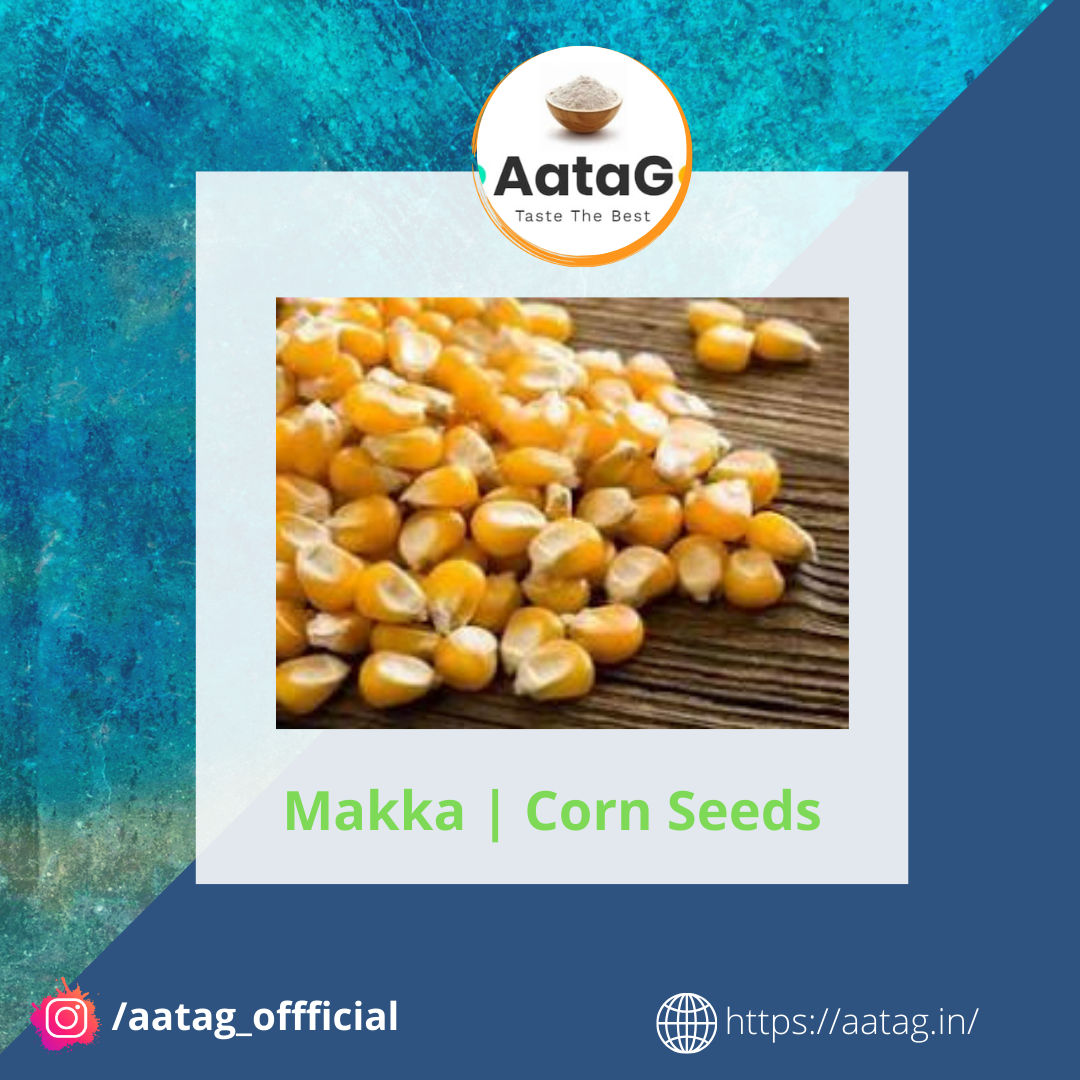
Corn seeds, also known as corn kernels, are the reproductive seeds of the corn plant (Zea mays), commonly used for agricultural and food purposes. Corn seeds come in a variety of colors, including yellow, white, red, blue, and purple, although yellow is the most common. Here are key characteristics of corn seeds:
-
Shape and Size: Corn seeds are small, typically oval or rounded, and they vary in size depending on the variety. They are larger compared to many other seeds, with an average length of about 8-12 millimeters.
-
Color: While yellow is most typical, corn seeds can be found in a variety of colors due to the different types of corn, such as dent corn, flint corn, and sweet corn. Colored varieties are often bred for ornamental or specialty uses.
-
Structure: The seed consists of several parts:
- Endosperm: The largest portion, providing food reserves for the growing plant.
- Embryo: The young plant that will grow into the mature corn plant.
- Seed Coat: The outer layer that protects the seed, often referred to as the pericarp.
-
Uses: Corn seeds are used for planting new crops, and the resulting corn is harvested for a variety of purposes, including food for humans and livestock, biofuels (like ethanol), and industrial uses. Corn seeds are also genetically modified for pest resistance, drought tolerance, or enhanced nutritional content.
-
Germination: Corn seeds require warm soil to germinate. The seed will sprout, and the young plant will send roots downward and leaves upward to begin growing into a mature corn plant.
-
Varieties: There are different types of corn seeds, such as field corn (grown for animal feed, industrial uses, and processed products), sweet corn (used for human consumption), popcorn, and flint corn (often used for making cornmeal and in ornamental displays).
-
Storage: Corn seeds need to be stored in dry, cool conditions to maintain viability and ensure good germination rates.