1
/
of
2
AataG
रागी | Raagi Seeds | Finger millet | Marua (1 Kg)
रागी | Raagi Seeds | Finger millet | Marua (1 Kg)
Regular price
Rs. 125.00
Regular price
Rs. 699.00
Sale price
Rs. 125.00
Unit price
/
per
Shipping calculated at checkout.
Couldn't load pickup availability
Ragi, also known as finger millet (Eleusine coracana), is a small, nutritious cereal grain grown primarily in parts of Africa and Asia, especially in India. It is an important staple food in many regions and is known for its high nutritional value, particularly its content of essential minerals and proteins. Here are key characteristics of ragi:
1. Appearance
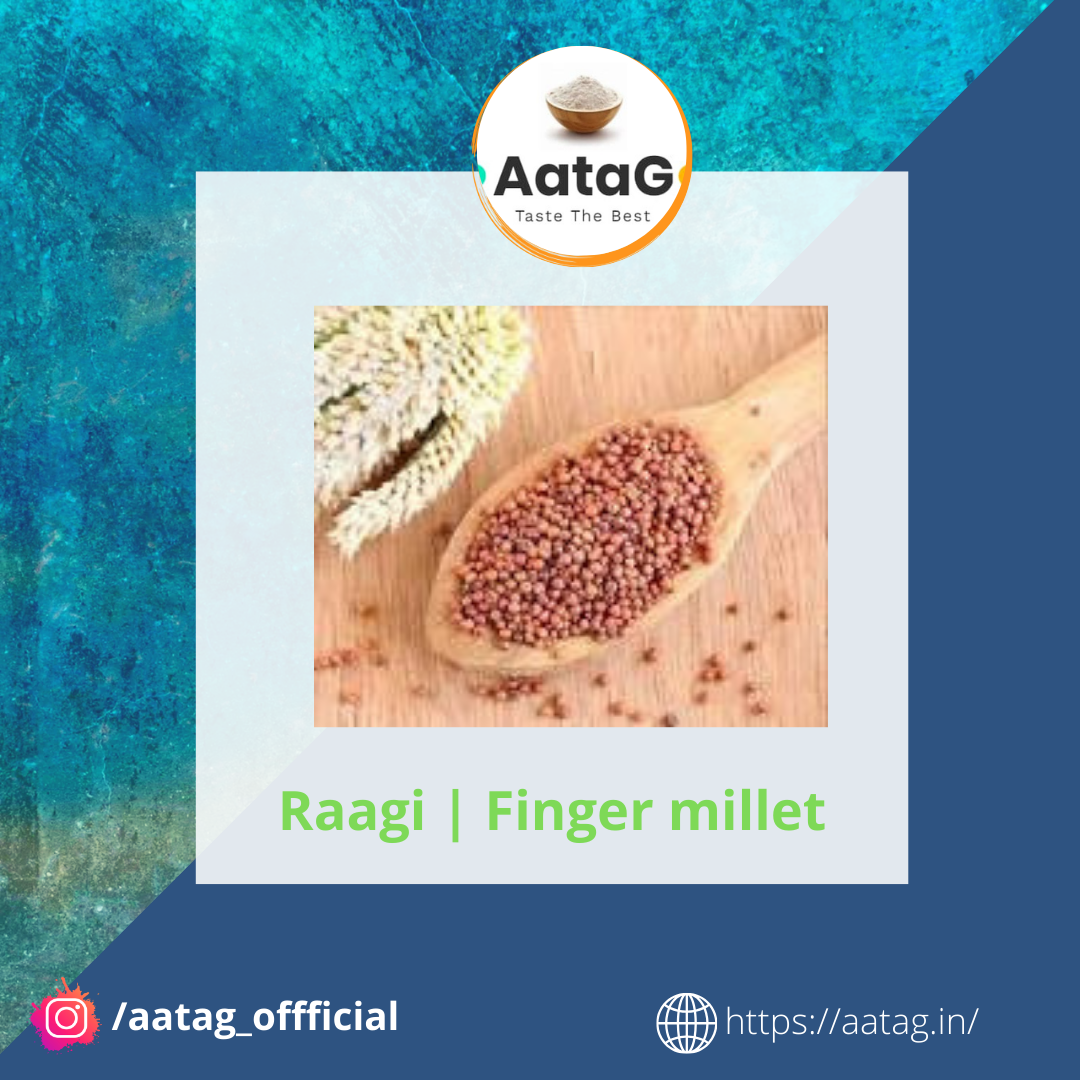
- Grain: Ragi grains are tiny, round, and hard, with a reddish-brown or brown color. When harvested, they are similar in size to small seeds, around 1 to 1.5 millimeters in diameter.
- Plant: The ragi plant is a short, drought-resistant grass that grows between 1 to 1.5 meters tall. It has narrow leaves and a distinct seed head with finger-like spikes, from which the grains are harvested.
2. Nutritional Value
- High in Calcium: Ragi is an excellent source of calcium, making it especially beneficial for bone health, particularly in growing children, the elderly, and people with calcium deficiencies.
- Rich in Fiber: It is high in dietary fiber, which helps in digestion, controls blood sugar levels, and promotes satiety.
- Protein and Amino Acids: Ragi contains a good amount of protein, including essential amino acids such as methionine and lysine, which are often lacking in other grains.
- Iron: The grain is also a good source of iron, which is important for preventing anemia.
- Gluten-Free: Ragi is naturally gluten-free, making it a suitable option for individuals with celiac disease or gluten intolerance.
3. Health Benefits
- Helps in Weight Management: Due to its high fiber content, ragi helps in promoting a feeling of fullness, thus aiding in weight control.
- Supports Bone Health: Its high calcium content contributes to bone strength and helps prevent conditions like osteoporosis.
- Regulates Blood Sugar: Ragi has a low glycemic index, which makes it a suitable food for people with diabetes, as it helps in regulating blood sugar levels.
- Rich in Antioxidants: Ragi contains antioxidants, including polyphenols, that help combat oxidative stress and protect against various chronic diseases.
4. Culinary Uses
- Flour: Ragi flour is commonly used to make a variety of foods, including roti (flatbread), porridge, idli, dosa, and even baked goods. It can also be mixed with other flours for making different types of bread.
- Porridge: Ragi porridge is a popular dish, particularly for babies and the elderly. It is made by boiling ragi flour with water or milk and can be sweetened or flavored with fruits and spices.
- Snacks: Ragi is also used in making cookies, biscuits, and snacks like ragi balls or ragi ladoos.
- Fermented Products: Ragi can be fermented to make traditional foods like ragi malt or ragi beer in certain cultures.
5. Cultivation
- Hardiness: Ragi is well-suited to arid and semi-arid regions due to its drought-resistant nature. It thrives in poor soil conditions and requires minimal water, making it a resilient crop in regions where other grains might not survive.
- Climate: Ragi is typically grown in tropical and subtropical climates. In India, it is cultivated during the rainy season, mainly in the states of Karnataka, Tamil Nadu, and Andhra Pradesh.
6. Cultural Significance
- Traditional Food: In many parts of India, ragi is an important food for infants and the elderly due to its digestibility and nutritional profile.
- Religious Offerings: In some cultures, ragi is used in religious ceremonies and rituals, highlighting its cultural importance.
In summary, ragi is a versatile, nutrient-dense grain that is not only a valuable food source but also offers several health benefits. It plays a crucial role in the diets of many people, particularly in regions where it is grown.
Share