1
/
of
2
AataG
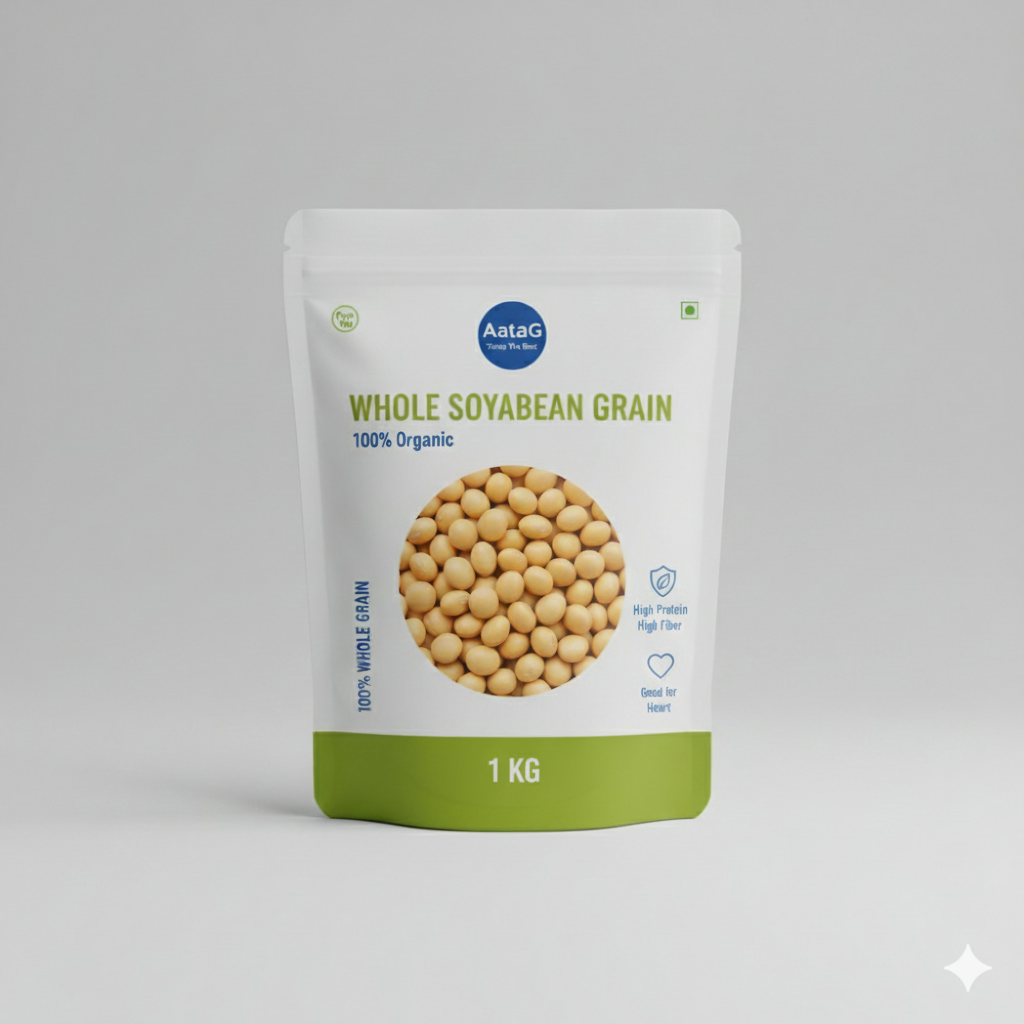
सोयाबीन | Soybean Seeds(1 Kg)
सोयाबीन | Soybean Seeds(1 Kg)
Regular price
Rs. 170.00
Regular price
Rs. 299.00
Sale price
Rs. 170.00
Unit price
/
per
Shipping calculated at checkout.
Couldn't load pickup availability
Soybean (Glycine max) is a highly versatile legume that plays a crucial role in both human and animal diets around the world. Originating in East Asia, it is now cultivated globally, especially in regions like the United States, Brazil, and Argentina. Soybeans are valued for their high protein content, making them a staple in vegetarian and vegan diets. Here’s a detailed look at soybeans:
1. Appearance
- Size and Shape: Soybeans are small, round seeds, typically about 5-10 millimeters in diameter. They have a smooth, yellow or golden-colored seed coat, though there are other varieties in colors such as green, brown, and black.
- Pod: The soybean grows in pods, similar to other legumes, with each pod usually containing 2-4 seeds.
- Texture: When cooked, soybeans have a firm texture, making them suitable for a variety of culinary uses.
2. Nutritional Value
- High in Protein: Soybeans are one of the richest plant-based sources of protein, containing all nine essential amino acids. This makes them a complete protein source, comparable to animal-based products. Soybeans contain about 36-40% protein by weight.
- Healthy Fats: Soybeans are rich in polyunsaturated fats, including omega-3 fatty acids, which support heart health. They are also a source of monounsaturated fats.
- Fiber: Soybeans are high in dietary fiber, which supports digestive health, regulates blood sugar levels, and aids in weight management.
- Vitamins and Minerals: Soybeans are an excellent source of vitamins like B-vitamins (especially folate), vitamin K, and minerals such as calcium, iron, magnesium, and potassium. They also contain phytochemicals, including isoflavones, which have been linked to various health benefits.
- Low Glycemic Index: Soybeans have a low glycemic index, making them suitable for people with diabetes as they help in controlling blood sugar levels.
3. Health Benefits
- Heart Health: The polyunsaturated fats in soybeans, particularly omega-3s, help reduce cholesterol levels, lower the risk of heart disease, and improve blood circulation.
- Bone Health: Soybeans contain calcium and magnesium, which are important for maintaining strong bones and preventing osteoporosis.
- Hormonal Balance: Soybeans are rich in phytoestrogens (specifically isoflavones), plant compounds that mimic estrogen in the body. These compounds may help alleviate symptoms of menopause and improve hormonal balance, though their effects can vary.
- Weight Management: Due to their high protein and fiber content, soybeans promote feelings of fullness, which can help in controlling appetite and reducing overall caloric intake.
- Antioxidant Properties: Isoflavones in soybeans, such as genistein and daidzein, act as antioxidants, helping to reduce oxidative stress in the body and lower the risk of chronic diseases such as cancer.
4. Culinary Uses
- Tofu: Tofu is made from soybeans by coagulating soy milk, offering a high-protein, low-fat alternative to meat. It is used in a variety of savory and sweet dishes.
- Soy Milk: Soybeans are processed into soy milk, which is a popular dairy alternative for people who are lactose intolerant or vegan.
- Edamame: Edamame are young, green soybeans harvested before they mature. They are commonly boiled or steamed and served as a snack or appetizer.
- Soy Sauce: Fermented soybeans are used to make soy sauce, a staple in many Asian cuisines.
- Tempeh: Tempeh is a fermented soybean product that is made into cakes and used as a protein-rich meat substitute in vegetarian and vegan diets.
- Soy Protein: Textured vegetable protein (TVP) or soy protein isolate is used in processed foods to simulate meat texture, particularly in vegetarian burgers, sausages, and other meat alternatives.
- Soy Flour: Ground soybeans are used to make soy flour, which is a gluten-free alternative for baking and cooking.
5. Cultivation
- Climate: Soybeans thrive in warm, temperate climates with moderate rainfall. They are typically planted in the spring and harvested in late summer to fall.
- Soil Requirements: They prefer well-drained, loamy soil with a slightly acidic to neutral pH.
- Global Production: The largest producers of soybeans are the United States, Brazil, and Argentina, followed by China and India. These countries not only grow soybeans for domestic consumption but also for export.
- Rotation Crop: Soybeans are often grown in crop rotation with other crops like corn, as they fix nitrogen in the soil, improving soil fertility.
6. Environmental Impact
- Sustainability: Soybeans are considered an environmentally friendly crop because they require less water and land compared to many animal-based protein sources. However, large-scale soybean farming, especially in deforested areas like the Amazon, can have significant environmental impacts, including habitat destruction and loss of biodiversity.
- GMO Soybeans: Genetically modified (GM) soybeans have been developed to be resistant to herbicides and pests, allowing for easier farming. However, the widespread use of GM soybeans has raised concerns about biodiversity and the long-term impacts on ecosystems.
7. Storage
- Shelf Life: Soybeans have a long shelf life when stored in a cool, dry place in an airtight container. Raw soybeans can last for several months to a year if stored properly.
- Soy Products: Soy-based products like tofu, soy milk, and tempeh have shorter shelf lives and should be stored in the refrigerator. Processed soy products, such as soy sauce, can be kept for much longer.
8. Varieties
- Yellow Soybeans: The most commonly grown and consumed variety, often used for tofu, soy milk, and edamame.
- Green Soybeans (Edamame): These are immature soybeans harvested before they mature and turn yellow.
- Black Soybeans: A variety of soybeans with a black seed coat, often used in Asian cuisine.
- Brown Soybeans: These are less common and often used in fermented products or for specific regional dishes.
In summary, soybeans are a highly nutritious and versatile crop that plays a key role in many diets around the world. They are packed with protein, healthy fats, fiber, and essential vitamins and minerals. With their various uses in food products and their environmental benefits as a crop, soybeans are a valuable resource for both health and sustainability.
Share